Buy stockabbigliamento.eu ?
We are moving the project
stockabbigliamento.eu .
Are you interested in purchasing the domain
stockabbigliamento.eu ?
domain@kv-gmbh.de · 0541-91531010
Buy stockabbigliamento.eu ?
What are geometric patterns?
Geometric patterns are repetitive designs or motifs that are created using geometric shapes such as lines, circles, triangles, squares, and other geometric elements. These patterns can be found in various forms of art, architecture, textiles, and nature. Geometric patterns are characterized by their symmetry, order, and precision, and they are often used to create visually appealing and harmonious compositions. **
What are geometric quantities?
Geometric quantities are measurements or properties of geometric figures or shapes. These quantities can include length, area, volume, angles, and curvature. They are used to describe and analyze the characteristics of geometric objects in mathematics and physics. Geometric quantities play a crucial role in various fields such as engineering, architecture, and computer graphics. **

Similar search terms for York-Wallcoverings-Wynwood-Geometric
Top-Angebote
Products related to York-Wallcoverings-Wynwood-Geometric:
-
York Wallcoverings Flatiron Geometric Cement WallpaperThe chevron gets a modern, industrial upgrade when stylized with raised textural plaster relief and metallic in the pattern Flatiron Geometric, shown in cement gray with charcoa gray.This Flatiron Geometric Wallpaper measures approximately 20.5 inches…136,00 $*Shipping: 0,00 $Secure redirect to the provider
-
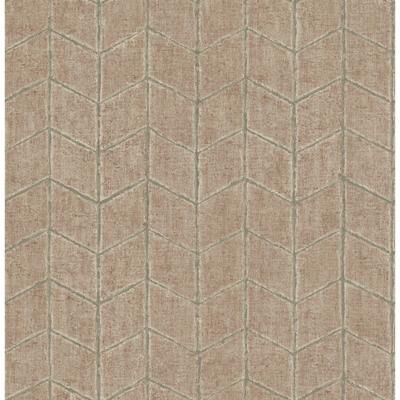
York Wallcoverings Flatiron Geometric Brick WallpaperThe chevron gets a modern, industrial upgrade when stylized with raised textural plaster relief and metallic in the pattern Flatiron Geometric, shown in brick red with earth brown.This Flatiron Geometric Wallpaper measures approximately 20.5 inches...136,00 $*Shipping: 0,00 $Secure redirect to the provider



-
What geometric shapes are there?
There are many geometric shapes, including circles, squares, rectangles, triangles, pentagons, hexagons, octagons, and more. **
-
What is a geometric sequence?
A geometric sequence is a sequence of numbers where each term after the first is found by multiplying the previous term by a constant factor. This constant factor is called the common ratio. For example, in the sequence 2, 6, 18, 54, the common ratio is 3 because each term is obtained by multiplying the previous term by 3. Geometric sequences can be represented by the formula an = a1 * r^(n-1), where a1 is the first term, r is the common ratio, and n is the term number. **
-
What is a geometric equation?
A geometric equation is an equation that involves geometric figures such as points, lines, angles, and shapes. These equations often describe the relationships between the various elements of a geometric figure, such as the lengths of sides, the measures of angles, or the properties of different shapes. Geometric equations are used to solve problems related to geometry and are fundamental in understanding the properties and relationships of geometric figures. **
-
What is the geometric problem?
The geometric problem refers to any issue or challenge related to the study of shapes, sizes, and properties of objects in space. This can include problems related to finding the area, perimeter, volume, or angles of various geometric figures, as well as problems involving transformations, congruence, similarity, and other geometric concepts. Geometric problems often require the use of mathematical reasoning and visualization skills to solve. **
How do you calculate geometric shapes?
Geometric shapes can be calculated using various formulas depending on the shape. For example, the area of a rectangle is calculated by multiplying its length by its width, while the area of a circle is calculated by multiplying pi (approximately 3.14159) by the square of the radius. The perimeter of a shape is calculated by adding up the lengths of all its sides. To calculate the volume of a three-dimensional shape like a cube or cylinder, you would use specific formulas based on the dimensions of the shape. **
How do you prove geometric theorems?
To prove geometric theorems, one typically uses deductive reasoning based on established postulates, definitions, and previously proven theorems. The proof usually involves a series of logical steps that demonstrate why the theorem is true. This can include using properties of shapes, angles, lines, and other geometric concepts to show that the statement holds true in all cases. Diagrams are often used to visually represent the geometric relationships being discussed and to help illustrate the steps of the proof. **
Top-Angebote
Products related to York-Wallcoverings-Wynwood-Geometric:
-
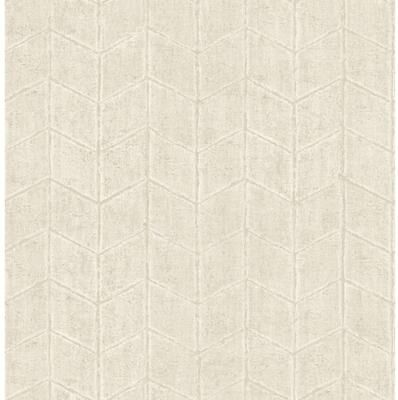
York Wallcoverings Flatiron Geometric Oyster WallpaperThe chevron gets a modern, industrial upgrade when stylized with raised textural plaster relief and metallic in the pattern Flatiron Geometric, shown in oyster white and sandy beige.This Flatiron Geometric Wallpaper measures approximately 20.5 inches…136,00 $*Shipping: 0,00 $Secure redirect to the provider
-
York Wallcoverings Flatiron Geometric Cement WallpaperThe chevron gets a modern, industrial upgrade when stylized with raised textural plaster relief and metallic in the pattern Flatiron Geometric, shown in cement gray with charcoa gray.This Flatiron Geometric Wallpaper measures approximately 20.5 inches…136,00 $*Shipping: 0,00 $Secure redirect to the provider
-
What are geometric patterns?
Geometric patterns are repetitive designs or motifs that are created using geometric shapes such as lines, circles, triangles, squares, and other geometric elements. These patterns can be found in various forms of art, architecture, textiles, and nature. Geometric patterns are characterized by their symmetry, order, and precision, and they are often used to create visually appealing and harmonious compositions. **
-
What are geometric quantities?
Geometric quantities are measurements or properties of geometric figures or shapes. These quantities can include length, area, volume, angles, and curvature. They are used to describe and analyze the characteristics of geometric objects in mathematics and physics. Geometric quantities play a crucial role in various fields such as engineering, architecture, and computer graphics. **
-
What geometric shapes are there?
There are many geometric shapes, including circles, squares, rectangles, triangles, pentagons, hexagons, octagons, and more. **
-
What is a geometric sequence?
A geometric sequence is a sequence of numbers where each term after the first is found by multiplying the previous term by a constant factor. This constant factor is called the common ratio. For example, in the sequence 2, 6, 18, 54, the common ratio is 3 because each term is obtained by multiplying the previous term by 3. Geometric sequences can be represented by the formula an = a1 * r^(n-1), where a1 is the first term, r is the common ratio, and n is the term number. **
Similar search terms for York-Wallcoverings-Wynwood-Geometric
-
York Wallcoverings Flatiron Geometric Brick WallpaperThe chevron gets a modern, industrial upgrade when stylized with raised textural plaster relief and metallic in the pattern Flatiron Geometric, shown in brick red with earth brown.This Flatiron Geometric Wallpaper measures approximately 20.5 inches...136,00 $*Shipping: 0,00 $Secure redirect to the provider
-
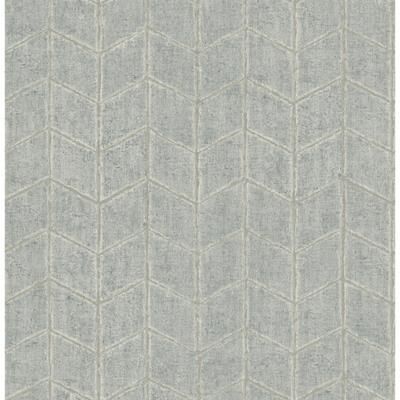
York Wallcoverings Flatiron Geometric Grey Sky WallpaperThe chevron gets a modern, industrial upgrade when stylized with raised textural plaster relief and metallic in the pattern Flatiron Geometric, shown in gray sky with blue.This Flatiron Geometric Wallpaper measures approximately 20.5 inches wide by 33…136,00 $*Shipping: 0,00 $Secure redirect to the provider
-
What is a geometric equation?
A geometric equation is an equation that involves geometric figures such as points, lines, angles, and shapes. These equations often describe the relationships between the various elements of a geometric figure, such as the lengths of sides, the measures of angles, or the properties of different shapes. Geometric equations are used to solve problems related to geometry and are fundamental in understanding the properties and relationships of geometric figures. **
-
What is the geometric problem?
The geometric problem refers to any issue or challenge related to the study of shapes, sizes, and properties of objects in space. This can include problems related to finding the area, perimeter, volume, or angles of various geometric figures, as well as problems involving transformations, congruence, similarity, and other geometric concepts. Geometric problems often require the use of mathematical reasoning and visualization skills to solve. **
-
How do you calculate geometric shapes?
Geometric shapes can be calculated using various formulas depending on the shape. For example, the area of a rectangle is calculated by multiplying its length by its width, while the area of a circle is calculated by multiplying pi (approximately 3.14159) by the square of the radius. The perimeter of a shape is calculated by adding up the lengths of all its sides. To calculate the volume of a three-dimensional shape like a cube or cylinder, you would use specific formulas based on the dimensions of the shape. **
-
How do you prove geometric theorems?
To prove geometric theorems, one typically uses deductive reasoning based on established postulates, definitions, and previously proven theorems. The proof usually involves a series of logical steps that demonstrate why the theorem is true. This can include using properties of shapes, angles, lines, and other geometric concepts to show that the statement holds true in all cases. Diagrams are often used to visually represent the geometric relationships being discussed and to help illustrate the steps of the proof. **
* All prices are inclusive of VAT and, if applicable, plus shipping costs. The offer information is based on the details provided by the respective shop and is updated through automated processes. Real-time updates do not occur, so deviations can occur in individual cases. ** Note: Parts of this content were created by AI.