Buy stockabbigliamento.eu ?
We are moving the project
stockabbigliamento.eu .
Are you interested in purchasing the domain
stockabbigliamento.eu ?
domain@kv-gmbh.de · 0541-91531010
Buy stockabbigliamento.eu ?
Why is the ladybug actually called a ladybug?
The name "ladybug" is believed to have originated in Europe during the Middle Ages, when farmers were facing crop-destroying pests. They prayed to the Virgin Mary for help, and shortly after, ladybugs appeared and ate the pests, saving the crops. The farmers then began calling the insects "Our Lady's beetles" in honor of the Virgin Mary, which eventually evolved into "ladybugs." The red color of the ladybug's wings also symbolized the Virgin Mary's cloak, further solidifying the association with her. **
Ladybug lower classifications
Ladybugs belong to the family Coccinellidae, which is part of the order Coleoptera (beetles). Within the family Coccinellidae, there are over 6,000 species of ladybugs, each with its own unique characteristics and color patterns. Ladybugs are further classified into different genera and species based on their physical traits and genetic differences. Some well-known genera of ladybugs include Coccinella, Harmonia, and Hippodamia. **
Similar search terms for Saro-Lifestyle-Ladybug-Napkin
Top-Angebote
Products related to Saro-Lifestyle-Ladybug-Napkin:
-
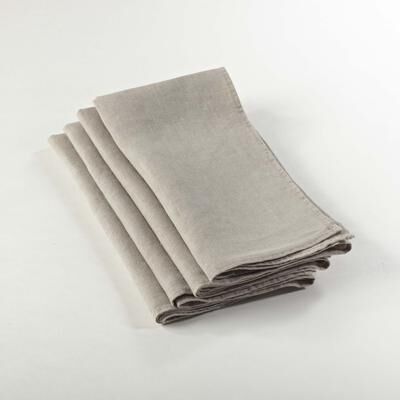
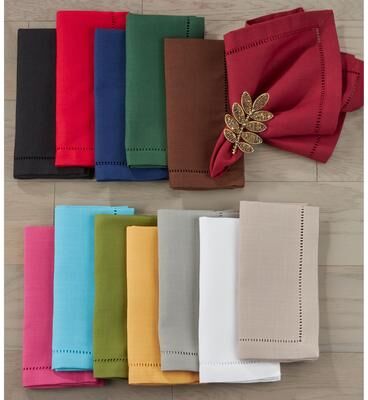
Saro Lifestyle Classic Border Design NapkinAdd a splash of color to your table décor with these vibrant Classic Border Design Table Napkins. A pure white border line brings the perfect finishing touch to the design. The set is highly versatile, pairing well with a wide range of tableware.37,99 $*Shipping: 0,00 $Secure redirect to the provider
-
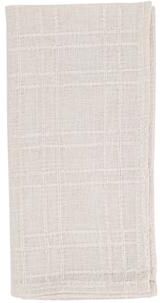
Saro Lifestyle Refined Stitched Plaid NapkinElevate your dining experience with this Refined Stitched Plaid Napkin Set. Crafted with precision and attention to detail, each napkin boasts a sophisticated stitched plaid design, adding a touch of timeless elegance to your table setting.31,49 $*Shipping: 0,00 $Secure redirect to the provider


-
What is the history of napkin decoupage?
Napkin decoupage, also known as paper napkin decoupage, has its origins in the art of decoupage, which dates back to ancient times. Decoupage involves decorating objects by gluing paper cutouts onto them and then sealing them with varnish. The technique became popular in Europe during the 18th century, and napkin decoupage specifically gained popularity in the 20th century as decorative paper napkins became widely available. It is a popular craft technique for creating unique and personalized home decor items, such as vases, trays, and furniture. **
-
Is the ladybug poisonous?
Ladybugs are not poisonous to humans. In fact, they are beneficial insects that help control pest populations in gardens by feeding on aphids and other plant-eating insects. While some species of ladybugs can secrete a yellow fluid when threatened, this fluid is not harmful to humans and is simply a defense mechanism. **
-
Is this a ladybug?
No, the insect in the image is not a ladybug. Ladybugs typically have a round, dome-shaped body with black spots on a red or orange background. The insect in the image appears to have a different color pattern and shape, so it is not a ladybug. **
-
Is this ladybug poisonous?
Ladybugs are not poisonous to humans. In fact, they are considered beneficial insects because they feed on plant-eating pests like aphids. However, some species of ladybugs can secrete a yellow fluid from their legs when threatened, which can be irritating to the skin or eyes. It's always best to handle ladybugs with care and wash your hands after touching them. **

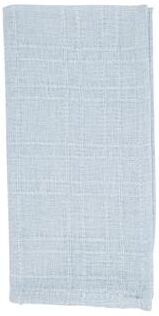
How does the napkin technique work on glass?
The napkin technique on glass involves using a wet napkin to create a temporary design or pattern on the surface of the glass. The napkin is placed on the glass and gently pressed to adhere to the surface. The wet napkin creates a temporary bond with the glass, allowing the design to transfer onto the glass. Once the napkin is removed, the design will remain on the glass. This technique is often used for creating decorative patterns or designs on glass surfaces. **
How can one blow their nose into a napkin?
To blow your nose into a napkin, simply hold the napkin up to your nose and gently blow air out of your nostrils. Make sure to cover your nose completely with the napkin to catch any mucus or debris. Once you have blown your nose, carefully fold the napkin to contain the contents and dispose of it properly in a trash bin. Remember to wash your hands thoroughly after blowing your nose to prevent the spread of germs. **
Top-Angebote
Products related to Saro-Lifestyle-Ladybug-Napkin:
-
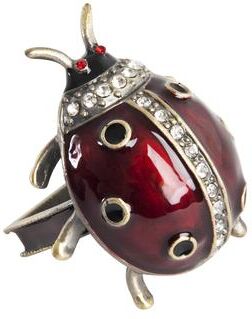
Saro Lifestyle Ladybug Napkin Ring (Set of 4)Complete your whimsical table decor with these vibrant ladybug napkin rings. The metal rings are detailed with glossy red enamel, along with faux jewel embellishments. Pair the charming set with your favorite napkins and plates to create a custom look.45,61 $*Shipping: 0,00 $Secure redirect to the provider
-
Saro Lifestyle Classic Border Design NapkinAdd a splash of color to your table décor with these vibrant Classic Border Design Table Napkins. A pure white border line brings the perfect finishing touch to the design. The set is highly versatile, pairing well with a wide range of tableware.37,99 $*Shipping: 0,00 $Secure redirect to the provider
-
Saro Lifestyle Refined Stitched Plaid NapkinElevate your dining experience with this Refined Stitched Plaid Napkin Set. Crafted with precision and attention to detail, each napkin boasts a sophisticated stitched plaid design, adding a touch of timeless elegance to your table setting.31,49 $*Shipping: 0,00 $Secure redirect to the provider
-
Why is the ladybug actually called a ladybug?
The name "ladybug" is believed to have originated in Europe during the Middle Ages, when farmers were facing crop-destroying pests. They prayed to the Virgin Mary for help, and shortly after, ladybugs appeared and ate the pests, saving the crops. The farmers then began calling the insects "Our Lady's beetles" in honor of the Virgin Mary, which eventually evolved into "ladybugs." The red color of the ladybug's wings also symbolized the Virgin Mary's cloak, further solidifying the association with her. **
-
Ladybug lower classifications
Ladybugs belong to the family Coccinellidae, which is part of the order Coleoptera (beetles). Within the family Coccinellidae, there are over 6,000 species of ladybugs, each with its own unique characteristics and color patterns. Ladybugs are further classified into different genera and species based on their physical traits and genetic differences. Some well-known genera of ladybugs include Coccinella, Harmonia, and Hippodamia. **
-
What is the history of napkin decoupage?
Napkin decoupage, also known as paper napkin decoupage, has its origins in the art of decoupage, which dates back to ancient times. Decoupage involves decorating objects by gluing paper cutouts onto them and then sealing them with varnish. The technique became popular in Europe during the 18th century, and napkin decoupage specifically gained popularity in the 20th century as decorative paper napkins became widely available. It is a popular craft technique for creating unique and personalized home decor items, such as vases, trays, and furniture. **
-
Is the ladybug poisonous?
Ladybugs are not poisonous to humans. In fact, they are beneficial insects that help control pest populations in gardens by feeding on aphids and other plant-eating insects. While some species of ladybugs can secrete a yellow fluid when threatened, this fluid is not harmful to humans and is simply a defense mechanism. **
Similar search terms for Saro-Lifestyle-Ladybug-Napkin
-
Saro Lifestyle Classic Border Design NapkinAdd a splash of color to your table décor with these vibrant Classic Border Design Table Napkins. A pure white border line brings the perfect finishing touch to the design. The set is highly versatile, pairing well with a wide range of tableware.38,49 $*Shipping: 0,00 $Secure redirect to the provider
-
Saro Lifestyle Refined Stitched Plaid NapkinElevate your dining experience with this Refined Stitched Plaid Napkin Set. Crafted with precision and attention to detail, each napkin boasts a sophisticated stitched plaid design, adding a touch of timeless elegance to your table setting.31,49 $*Shipping: 0,00 $Secure redirect to the provider
-
Is this a ladybug?
No, the insect in the image is not a ladybug. Ladybugs typically have a round, dome-shaped body with black spots on a red or orange background. The insect in the image appears to have a different color pattern and shape, so it is not a ladybug. **
-
Is this ladybug poisonous?
Ladybugs are not poisonous to humans. In fact, they are considered beneficial insects because they feed on plant-eating pests like aphids. However, some species of ladybugs can secrete a yellow fluid from their legs when threatened, which can be irritating to the skin or eyes. It's always best to handle ladybugs with care and wash your hands after touching them. **
-
How does the napkin technique work on glass?
The napkin technique on glass involves using a wet napkin to create a temporary design or pattern on the surface of the glass. The napkin is placed on the glass and gently pressed to adhere to the surface. The wet napkin creates a temporary bond with the glass, allowing the design to transfer onto the glass. Once the napkin is removed, the design will remain on the glass. This technique is often used for creating decorative patterns or designs on glass surfaces. **
-
How can one blow their nose into a napkin?
To blow your nose into a napkin, simply hold the napkin up to your nose and gently blow air out of your nostrils. Make sure to cover your nose completely with the napkin to catch any mucus or debris. Once you have blown your nose, carefully fold the napkin to contain the contents and dispose of it properly in a trash bin. Remember to wash your hands thoroughly after blowing your nose to prevent the spread of germs. **
* All prices are inclusive of VAT and, if applicable, plus shipping costs. The offer information is based on the details provided by the respective shop and is updated through automated processes. Real-time updates do not occur, so deviations can occur in individual cases. ** Note: Parts of this content were created by AI.