Buy stockabbigliamento.eu ?
We are moving the project
stockabbigliamento.eu .
Are you interested in purchasing the domain
stockabbigliamento.eu ?
domain@kv-gmbh.de · 0541-91531010
Buy stockabbigliamento.eu ?
What is the difference between electrode deposition and electrode sedimentation?
Electrode deposition and electrode sedimentation are both processes used to coat a substrate with a layer of material through electrochemical methods. The main difference between the two is the mechanism by which the material is deposited onto the substrate. In electrode deposition, the material is directly deposited onto the substrate through the application of an electric current, while in electrode sedimentation, the material is first dispersed in a solution and then allowed to settle onto the substrate through gravity or other external forces. Overall, electrode deposition is a more controlled and precise process, while electrode sedimentation is more reliant on the settling behavior of the dispersed material. **
What is the standard electrode potential?
The standard electrode potential is a measure of the tendency of an electrode to gain or lose electrons when it is in contact with a solution of its own ions. It is measured under standard conditions, which include a concentration of 1 mol/L for all ions involved, a pressure of 1 atm for gases, and a temperature of 25°C. The standard electrode potential is used to compare the reactivity of different electrodes and to predict the direction of redox reactions. It is also used to calculate the electromotive force (EMF) of a cell. **


Similar search terms for Rinnai-HD55i-Replacement-Electrode
Top-Angebote
Products related to Rinnai-HD55i-Replacement-Electrode:
-
Rinnai HD55i Replacement Heat ExchangerRinnai HD55i Replacement Heat Exchanger. Specially designed for the Rinnai HD55i model, this replacement part ensures your water heating system operates at its best. Benefits of Regular Maintenance: Enhanced Efficiency: Regular servicing can ensure that your water heater operates at peak efficiency, reducing energy bills. Longer Lifespan: Preventing buildup and replacing worn-out parts can significantly extend the life of your water heater. Safety: Ensuring that your appliance is in top condition minimizes the risk of leaks or malfunctions. Installation & Safety: Always ensure that installation and servicing are carried out by a qualified technician familiar with Rinnai products. Turn off the gas supply and disconnect power before751,49 £*Shipping: 0,00 £Secure redirect to the provider
-
Rinnai Replacement K26i ElectrodeRinnai Replacement K26i Electrode - (P26IV-117A) The electrode in a Rinnai K26i continuous flow water heater does two jobs at once — it generates the spark that ignites the burner, and it monitors the flame afterwards to confirm combustion is taking place safely. It's a small component, but the whole ignition sequence depends on it working correctly. Made to Rinnai's own specification, this replacement electrode restores reliable spark ignition and accurate flame sensing where the original has worn or become fouled with use. Electrodes are a routine wear item, so it's worth checking the condition of the tip during servicing and replacing it before it starts causing ignition faults rather than after. ⚠ Important: This part should only be installed or serviced by a Gas Safe registered engineer or suitably qualified professi13,20 £*Shipping: 5,00 £Secure redirect to the provider
-
Rinnai HD55i Replacement Fan Motor AssemblyRinnai HD55i Replacement Fan Motor Assembly. Specially designed for the Rinnai HD55i model, this replacement part ensures your water heating system operates at its best. Benefits of Regular Maintenance: Enhanced Efficiency: Regular servicing can ensure that your water heater operates at peak efficiency, reducing energy bills. Longer Lifespan: Preventing buildup and replacing worn-out parts can significantly extend the life of your water heater. Safety: Ensuring that your appliance is in top condition minimizes the risk of leaks or malfunctions. Installation & Safety: Always ensure that installation and servicing are carried out by a qualified technician familiar with Rinnai products. Turn off the gas supply and disconnect power bef174,95 £*Shipping: 0,00 £Secure redirect to the provider
-
Rinnai HD55i Thermal Fuse Assembly - Genuine ReplacementRinnai HD55i Thermal Fuse Assembly – (P55-725) The thermal fuse in a Rinnai HD55i continuous flow water heater is a fail-safe within the overheat protection circuit. If a combustion or airflow fault causes the unit to run hotter than it should, the fuse trips and cuts power, stopping the appliance before any further damage occurs rather than letting it continue running in an unsafe state. It works alongside the other sensors and switches in the HD55i's safety system, so if the fuse itself fails or becomes faulty, the water heater will simply stop operating until it's replaced and the underlying cause has been checked and resolved. This is the genuine Rinnai replacement, made to the same specification as the original, restoring that overheat protection properly rather than working around it. ⚠ Important: This is a safety-c49,32 £*Shipping: 5,00 £Secure redirect to the provider


-
Is electrode welding dangerous for beginners?
Electrode welding can be dangerous for beginners if proper safety precautions are not followed. The high temperatures and intense light produced during the welding process can cause burns, eye damage, and exposure to harmful fumes. Beginners should receive proper training and guidance on how to use welding equipment safely, as well as wear appropriate protective gear such as welding helmets, gloves, and clothing. With the right safety measures in place, beginners can learn electrode welding safely and effectively. **
-
Which tungsten electrode is used for welding?
The most commonly used tungsten electrode for welding is the thoriated tungsten electrode, which is also known as 2% thoriated tungsten. This electrode is popular for its ability to maintain a stable arc and its high resistance to thermal shock, making it suitable for both AC and DC welding applications. Additionally, it has a long lifespan and can be used for welding a variety of metals, including steel, stainless steel, and nickel alloys. **
-
How does electrode welding with gap work?
Electrode welding with gap works by creating an arc between the welding electrode and the workpiece, which generates intense heat to melt the metal and create a weld. The gap between the electrode and the workpiece allows for better control of the welding process and helps to prevent sticking of the electrode to the workpiece. The gap also allows for better penetration of the weld into the workpiece, resulting in a stronger and more reliable weld. This method is commonly used in manual metal arc welding processes. **
-
How can electrodes be saved during electrode welding?
Electrodes can be saved during electrode welding by using proper welding techniques such as maintaining the correct arc length, angle, and travel speed. It is important to ensure that the electrode is not overheated or stuck to the workpiece, as this can lead to excessive consumption of the electrode. Additionally, using the appropriate electrode size and type for the specific welding application can help prolong the life of the electrode. Regularly cleaning the electrode and removing any slag buildup can also help extend its lifespan. **

Why can the electrode potential not be measured?
The electrode potential cannot be directly measured because it is a relative value, meaning it depends on the potential of another electrode in the same system. In order to measure the electrode potential, a reference electrode with a known potential is needed to compare it to. This comparison allows for the determination of the potential difference between the two electrodes, which is the electrode potential. Therefore, the electrode potential itself cannot be measured in isolation, but only in comparison to a reference electrode. **
How does electrode welding with HF ignition work?
Electrode welding with HF ignition works by using a high-frequency spark to initiate the arc between the electrode and the workpiece. The high-frequency spark creates a path for the current to flow, allowing the arc to be established without the need for the electrode to make contact with the workpiece. This method helps to reduce the risk of electrode sticking and allows for a smoother and more stable arc. HF ignition also helps to improve the overall quality of the weld by providing a more consistent and controlled arc initiation. **
Top-Angebote
Products related to Rinnai-HD55i-Replacement-Electrode:
-
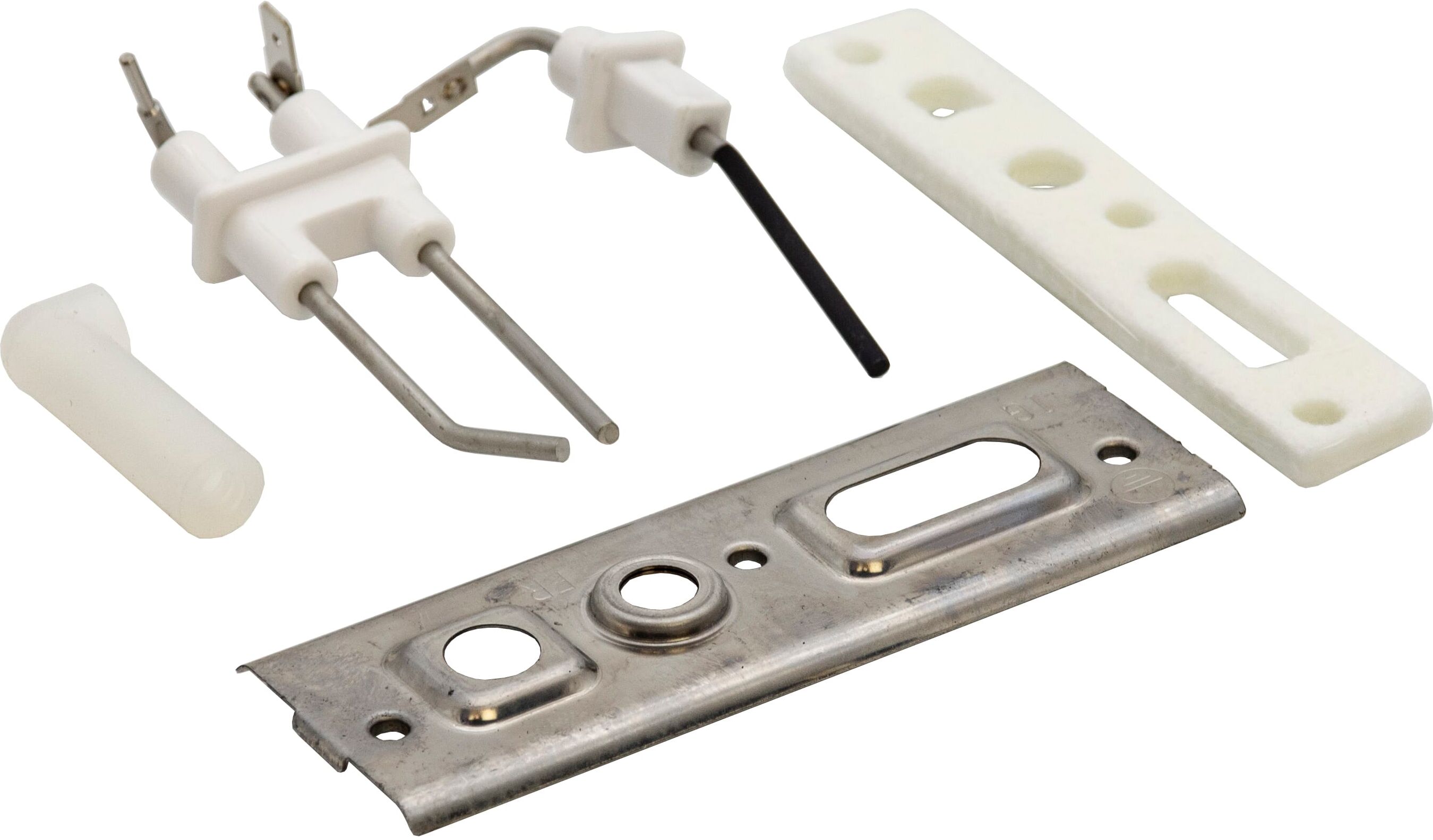
Rinnai HD55i Replacement Electrode KitRinnai HD55i Replacement Electrode Kit. Specially designed for the Rinnai HD55i model, this replacement part ensures your water heating system operates at its best. Benefits of Regular Maintenance: Enhanced Efficiency: Regular servicing can ensure that your water heater operates at peak efficiency, reducing energy bills. Longer Lifespan: Preventing buildup and replacing worn-out parts can significantly extend the life of your water heater. Safety: Ensuring that your appliance is in top condition minimizes the risk of leaks or malfunctions. Installation & Safety: Always ensure that installation and servicing are carried out by a qualified technician familiar with Rinnai products. Turn off the gas supply and disconnect power before b47,34 £*Shipping: 5,00 £Secure redirect to the provider
-
Rinnai HD55i Replacement Outlet ThermistorRinnai HD55i Replacement Outlet Thermistor. Specially designed for the Rinnai HD55i model, this replacement part ensures your water heating system operates at its best. Benefits of Regular Maintenance: Enhanced Efficiency: Regular servicing can ensure that your water heater operates at peak efficiency, reducing energy bills. Longer Lifespan: Preventing buildup and replacing worn-out parts can significantly extend the life of your water heater. Safety: Ensuring that your appliance is in top condition minimizes the risk of leaks or malfunctions. Installation & Safety: Always ensure that installation and servicing are carried out by a qualified technician familiar with Rinnai products. Turn off the gas supply and disconnect power befo31,50 £*Shipping: 5,00 £Secure redirect to the provider
-
Rinnai HD55i Replacement Heat ExchangerRinnai HD55i Replacement Heat Exchanger. Specially designed for the Rinnai HD55i model, this replacement part ensures your water heating system operates at its best. Benefits of Regular Maintenance: Enhanced Efficiency: Regular servicing can ensure that your water heater operates at peak efficiency, reducing energy bills. Longer Lifespan: Preventing buildup and replacing worn-out parts can significantly extend the life of your water heater. Safety: Ensuring that your appliance is in top condition minimizes the risk of leaks or malfunctions. Installation & Safety: Always ensure that installation and servicing are carried out by a qualified technician familiar with Rinnai products. Turn off the gas supply and disconnect power before751,49 £*Shipping: 0,00 £Secure redirect to the provider
-
Rinnai Replacement K26i ElectrodeRinnai Replacement K26i Electrode - (P26IV-117A) The electrode in a Rinnai K26i continuous flow water heater does two jobs at once — it generates the spark that ignites the burner, and it monitors the flame afterwards to confirm combustion is taking place safely. It's a small component, but the whole ignition sequence depends on it working correctly. Made to Rinnai's own specification, this replacement electrode restores reliable spark ignition and accurate flame sensing where the original has worn or become fouled with use. Electrodes are a routine wear item, so it's worth checking the condition of the tip during servicing and replacing it before it starts causing ignition faults rather than after. ⚠ Important: This part should only be installed or serviced by a Gas Safe registered engineer or suitably qualified professi13,20 £*Shipping: 5,00 £Secure redirect to the provider
-
What is the difference between electrode deposition and electrode sedimentation?
Electrode deposition and electrode sedimentation are both processes used to coat a substrate with a layer of material through electrochemical methods. The main difference between the two is the mechanism by which the material is deposited onto the substrate. In electrode deposition, the material is directly deposited onto the substrate through the application of an electric current, while in electrode sedimentation, the material is first dispersed in a solution and then allowed to settle onto the substrate through gravity or other external forces. Overall, electrode deposition is a more controlled and precise process, while electrode sedimentation is more reliant on the settling behavior of the dispersed material. **
-
What is the standard electrode potential?
The standard electrode potential is a measure of the tendency of an electrode to gain or lose electrons when it is in contact with a solution of its own ions. It is measured under standard conditions, which include a concentration of 1 mol/L for all ions involved, a pressure of 1 atm for gases, and a temperature of 25°C. The standard electrode potential is used to compare the reactivity of different electrodes and to predict the direction of redox reactions. It is also used to calculate the electromotive force (EMF) of a cell. **
-
Is electrode welding dangerous for beginners?
Electrode welding can be dangerous for beginners if proper safety precautions are not followed. The high temperatures and intense light produced during the welding process can cause burns, eye damage, and exposure to harmful fumes. Beginners should receive proper training and guidance on how to use welding equipment safely, as well as wear appropriate protective gear such as welding helmets, gloves, and clothing. With the right safety measures in place, beginners can learn electrode welding safely and effectively. **
-
Which tungsten electrode is used for welding?
The most commonly used tungsten electrode for welding is the thoriated tungsten electrode, which is also known as 2% thoriated tungsten. This electrode is popular for its ability to maintain a stable arc and its high resistance to thermal shock, making it suitable for both AC and DC welding applications. Additionally, it has a long lifespan and can be used for welding a variety of metals, including steel, stainless steel, and nickel alloys. **
Similar search terms for Rinnai-HD55i-Replacement-Electrode
-
Rinnai HD55i Replacement Fan Motor AssemblyRinnai HD55i Replacement Fan Motor Assembly. Specially designed for the Rinnai HD55i model, this replacement part ensures your water heating system operates at its best. Benefits of Regular Maintenance: Enhanced Efficiency: Regular servicing can ensure that your water heater operates at peak efficiency, reducing energy bills. Longer Lifespan: Preventing buildup and replacing worn-out parts can significantly extend the life of your water heater. Safety: Ensuring that your appliance is in top condition minimizes the risk of leaks or malfunctions. Installation & Safety: Always ensure that installation and servicing are carried out by a qualified technician familiar with Rinnai products. Turn off the gas supply and disconnect power bef174,95 £*Shipping: 0,00 £Secure redirect to the provider
-
Rinnai HD55i Thermal Fuse Assembly - Genuine ReplacementRinnai HD55i Thermal Fuse Assembly – (P55-725) The thermal fuse in a Rinnai HD55i continuous flow water heater is a fail-safe within the overheat protection circuit. If a combustion or airflow fault causes the unit to run hotter than it should, the fuse trips and cuts power, stopping the appliance before any further damage occurs rather than letting it continue running in an unsafe state. It works alongside the other sensors and switches in the HD55i's safety system, so if the fuse itself fails or becomes faulty, the water heater will simply stop operating until it's replaced and the underlying cause has been checked and resolved. This is the genuine Rinnai replacement, made to the same specification as the original, restoring that overheat protection properly rather than working around it. ⚠ Important: This is a safety-c49,32 £*Shipping: 5,00 £Secure redirect to the provider
-
Rinnai N Series Replacement Electrode AssemblyRinnai N Series Replacement Electrode Assembly (PN-150) The electrode assembly on a Rinnai N Series water heater generates the spark that ignites the burner and monitors the flame afterwards to confirm safe combustion. It's a small component doing two jobs at once, and the whole ignition sequence depends on it working correctly. This genuine Rinnai electrode assembly is made to the original specification, restoring reliable spark ignition and accurate flame sensing where the original has worn or become fouled with use. Electrodes are a routine wear item, so it's worth checking their condition during servicing and replacing them before they start causing ignition faults rather than after. ⚠ Important: Installation and servicing must be carried out by a qualified technician familiar with Rinnai products. Turn off the gas supp61,98 £*Shipping: 5,00 £Secure redirect to the provider
-
Rinnai 11i/17i/HD55i Vertical Flue KitRinnai 11i/17i/HD55i Vertical Flue Kit (AWF50-07) The Rinnai Vertical Flue Kit is the perfect solution for installations where your Rinnai 11i, 17i, or HD55i non-condensing gas water heater requires a vertical flue termination through the roof. Designed specifically for non-condensing models, this flue kit ensures safe and efficient exhaust ventilation while maintaining full compliance with manufacturer installation standards. The kit includes an 80/125mm concentric roof terminal (950mm) and a roof/attic pipe clamp, offering a complete, secure and weather-resistant setup for professional installations. Key Features & Benefits Designed for Vertical Termination: Ideal for through-roof flueing in non-condensing water heater installations. Compatible Models:118,39 £*Shipping: 0,00 £Secure redirect to the provider
-
How does electrode welding with gap work?
Electrode welding with gap works by creating an arc between the welding electrode and the workpiece, which generates intense heat to melt the metal and create a weld. The gap between the electrode and the workpiece allows for better control of the welding process and helps to prevent sticking of the electrode to the workpiece. The gap also allows for better penetration of the weld into the workpiece, resulting in a stronger and more reliable weld. This method is commonly used in manual metal arc welding processes. **
-
How can electrodes be saved during electrode welding?
Electrodes can be saved during electrode welding by using proper welding techniques such as maintaining the correct arc length, angle, and travel speed. It is important to ensure that the electrode is not overheated or stuck to the workpiece, as this can lead to excessive consumption of the electrode. Additionally, using the appropriate electrode size and type for the specific welding application can help prolong the life of the electrode. Regularly cleaning the electrode and removing any slag buildup can also help extend its lifespan. **
-
Why can the electrode potential not be measured?
The electrode potential cannot be directly measured because it is a relative value, meaning it depends on the potential of another electrode in the same system. In order to measure the electrode potential, a reference electrode with a known potential is needed to compare it to. This comparison allows for the determination of the potential difference between the two electrodes, which is the electrode potential. Therefore, the electrode potential itself cannot be measured in isolation, but only in comparison to a reference electrode. **
-
How does electrode welding with HF ignition work?
Electrode welding with HF ignition works by using a high-frequency spark to initiate the arc between the electrode and the workpiece. The high-frequency spark creates a path for the current to flow, allowing the arc to be established without the need for the electrode to make contact with the workpiece. This method helps to reduce the risk of electrode sticking and allows for a smoother and more stable arc. HF ignition also helps to improve the overall quality of the weld by providing a more consistent and controlled arc initiation. **
* All prices are inclusive of VAT and, if applicable, plus shipping costs. The offer information is based on the details provided by the respective shop and is updated through automated processes. Real-time updates do not occur, so deviations can occur in individual cases. ** Note: Parts of this content were created by AI.