Buy stockabbigliamento.eu ?
We are moving the project
stockabbigliamento.eu .
Are you interested in purchasing the domain
stockabbigliamento.eu ?
domain@kv-gmbh.de · 0541-91531010
Buy stockabbigliamento.eu ?
Doesn't IPv4 work, only IPv6?
No, both IPv4 and IPv6 are used for communication over the internet. IPv4 is the older version and is still widely used, but it is running out of available addresses due to the increasing number of devices connecting to the internet. IPv6 was developed to address this issue by providing a much larger pool of available addresses. Both IPv4 and IPv6 can coexist and are used simultaneously in many networks. **
Are IPv4 and IPv6 separate?
Yes, IPv4 and IPv6 are separate and distinct protocols for identifying and addressing devices on a network. IPv4 is the older and more widely used protocol, while IPv6 is the newer and more advanced protocol designed to address the limitations of IPv4, such as the exhaustion of available addresses. Both protocols can coexist on the same network, but they are not directly compatible with each other. **
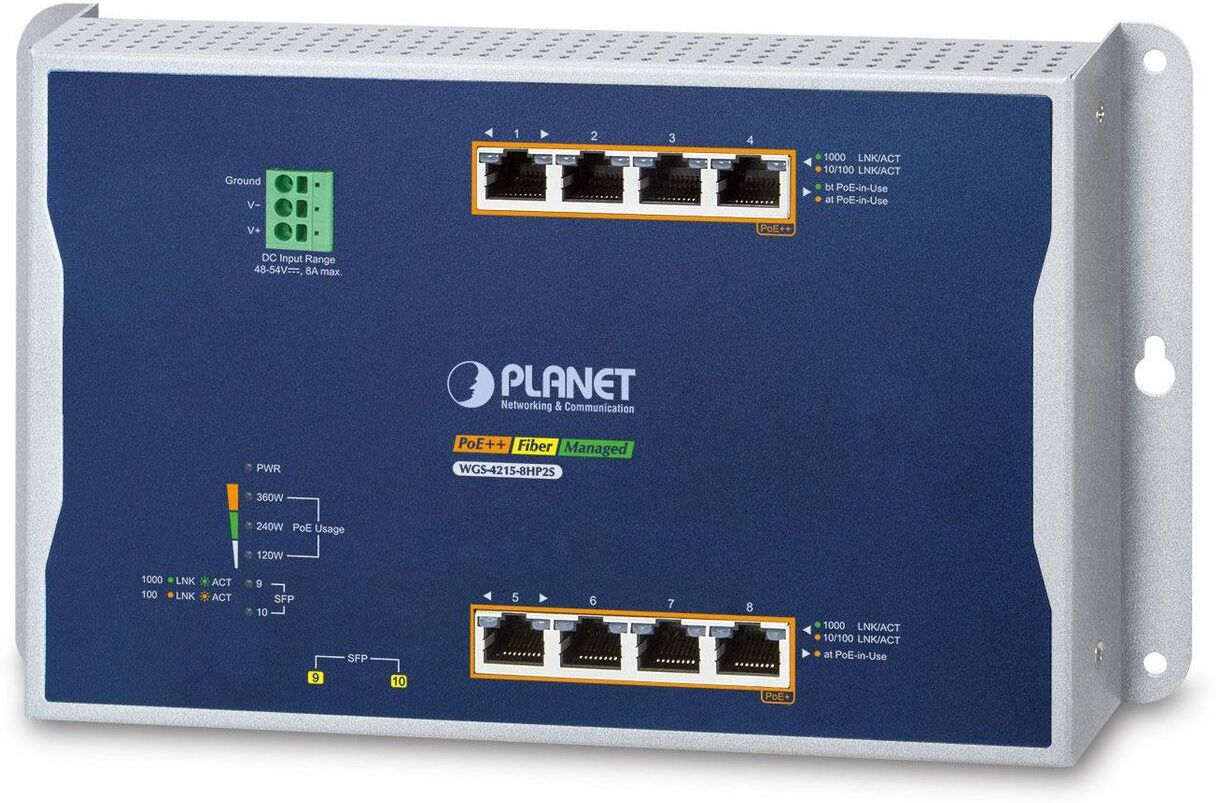

Similar search terms for PLANET-IP30-IPv6-IPv4
Top-Angebote
Products related to PLANET-IP30-IPv6-IPv4:


-
Is IPv4 connected but IPv6 not?
No, IPv4 and IPv6 are separate and independent protocols. They can coexist on the same network, but they are not directly connected to each other. Devices and networks can support both IPv4 and IPv6 simultaneously, allowing for communication over both protocols. **
-
What are IPv6 and IPv4 addresses?
IPv6 and IPv4 addresses are numerical labels assigned to devices connected to a network to identify and locate them. IPv4 addresses are 32-bit numerical labels separated by periods, while IPv6 addresses are 128-bit numerical labels separated by colons. IPv4 addresses are running out due to the increasing number of devices connected to the internet, leading to the development and adoption of IPv6 addresses to accommodate the growing demand for unique addresses. **
-
Can you change IPv6 to IPv4?
No, you cannot directly change IPv6 to IPv4. IPv6 and IPv4 are two different network protocols with distinct addressing schemes. IPv6 was developed to address the limitations of IPv4, such as the exhaustion of available IPv4 addresses. To switch from IPv6 to IPv4, you would need to reconfigure your network infrastructure and devices to use IPv4 addresses instead of IPv6. **
-
Which is better, IPv6 or IPv4?
IPv6 is generally considered better than IPv4 for several reasons. First, IPv6 has a much larger address space, allowing for more unique IP addresses to be assigned. This is important as the number of devices connected to the internet continues to grow. Additionally, IPv6 includes built-in security features, such as IPsec, which helps to improve the overall security of internet communication. Finally, IPv6 also offers better support for mobile devices and improved network auto-configuration, making it more efficient for modern internet usage. **


How can one convert IPv6 to IPv4?
One way to convert IPv6 to IPv4 is by using a technique called IPv4-mapped IPv6 addresses. This involves representing an IPv4 address within an IPv6 address format. Another method is to use a tunneling mechanism, such as 6to4 or Teredo, which encapsulates IPv6 packets within IPv4 packets for transmission over an IPv4 network. Additionally, network address translation (NAT) can be used to translate between IPv6 and IPv4 addresses at the network boundary. **
How can one tunnel IPv6 to IPv4?
One way to tunnel IPv6 traffic over an IPv4 network is to use a protocol called 6to4. This protocol encapsulates IPv6 packets within IPv4 packets, allowing them to traverse an IPv4 network. Another method is to use a protocol called Teredo, which allows IPv6 traffic to be tunneled over an IPv4 network using UDP encapsulation. Additionally, there are other tunneling protocols such as ISATAP and 6rd that can also be used to tunnel IPv6 traffic over an IPv4 network. These tunneling methods allow organizations and individuals to transition to IPv6 while still being able to communicate over existing IPv4 networks. **
Top-Angebote
Products related to PLANET-IP30-IPv6-IPv4:
-
Doesn't IPv4 work, only IPv6?
No, both IPv4 and IPv6 are used for communication over the internet. IPv4 is the older version and is still widely used, but it is running out of available addresses due to the increasing number of devices connecting to the internet. IPv6 was developed to address this issue by providing a much larger pool of available addresses. Both IPv4 and IPv6 can coexist and are used simultaneously in many networks. **
-
Are IPv4 and IPv6 separate?
Yes, IPv4 and IPv6 are separate and distinct protocols for identifying and addressing devices on a network. IPv4 is the older and more widely used protocol, while IPv6 is the newer and more advanced protocol designed to address the limitations of IPv4, such as the exhaustion of available addresses. Both protocols can coexist on the same network, but they are not directly compatible with each other. **
-
Is IPv4 connected but IPv6 not?
No, IPv4 and IPv6 are separate and independent protocols. They can coexist on the same network, but they are not directly connected to each other. Devices and networks can support both IPv4 and IPv6 simultaneously, allowing for communication over both protocols. **
-
What are IPv6 and IPv4 addresses?
IPv6 and IPv4 addresses are numerical labels assigned to devices connected to a network to identify and locate them. IPv4 addresses are 32-bit numerical labels separated by periods, while IPv6 addresses are 128-bit numerical labels separated by colons. IPv4 addresses are running out due to the increasing number of devices connected to the internet, leading to the development and adoption of IPv6 addresses to accommodate the growing demand for unique addresses. **
Similar search terms for PLANET-IP30-IPv6-IPv4
-
Can you change IPv6 to IPv4?
No, you cannot directly change IPv6 to IPv4. IPv6 and IPv4 are two different network protocols with distinct addressing schemes. IPv6 was developed to address the limitations of IPv4, such as the exhaustion of available IPv4 addresses. To switch from IPv6 to IPv4, you would need to reconfigure your network infrastructure and devices to use IPv4 addresses instead of IPv6. **
-
Which is better, IPv6 or IPv4?
IPv6 is generally considered better than IPv4 for several reasons. First, IPv6 has a much larger address space, allowing for more unique IP addresses to be assigned. This is important as the number of devices connected to the internet continues to grow. Additionally, IPv6 includes built-in security features, such as IPsec, which helps to improve the overall security of internet communication. Finally, IPv6 also offers better support for mobile devices and improved network auto-configuration, making it more efficient for modern internet usage. **
-
How can one convert IPv6 to IPv4?
One way to convert IPv6 to IPv4 is by using a technique called IPv4-mapped IPv6 addresses. This involves representing an IPv4 address within an IPv6 address format. Another method is to use a tunneling mechanism, such as 6to4 or Teredo, which encapsulates IPv6 packets within IPv4 packets for transmission over an IPv4 network. Additionally, network address translation (NAT) can be used to translate between IPv6 and IPv4 addresses at the network boundary. **
-
How can one tunnel IPv6 to IPv4?
One way to tunnel IPv6 traffic over an IPv4 network is to use a protocol called 6to4. This protocol encapsulates IPv6 packets within IPv4 packets, allowing them to traverse an IPv4 network. Another method is to use a protocol called Teredo, which allows IPv6 traffic to be tunneled over an IPv4 network using UDP encapsulation. Additionally, there are other tunneling protocols such as ISATAP and 6rd that can also be used to tunnel IPv6 traffic over an IPv4 network. These tunneling methods allow organizations and individuals to transition to IPv6 while still being able to communicate over existing IPv4 networks. **
* All prices are inclusive of VAT and, if applicable, plus shipping costs. The offer information is based on the details provided by the respective shop and is updated through automated processes. Real-time updates do not occur, so deviations can occur in individual cases. ** Note: Parts of this content were created by AI.