Buy stockabbigliamento.eu ?
We are moving the project
stockabbigliamento.eu .
Are you interested in purchasing the domain
stockabbigliamento.eu ?
domain@kv-gmbh.de · 0541-91531010
Buy stockabbigliamento.eu ?
Which flowers for a floor vase?
When choosing flowers for a floor vase, consider using larger blooms and longer stems to create a dramatic and impactful display. Flowers like lilies, sunflowers, hydrangeas, or gladiolus work well in floor vases due to their size and visual presence. Additionally, incorporating greenery like eucalyptus or ferns can add texture and depth to the arrangement. Ultimately, choose flowers that complement the size of the vase and the overall aesthetic of the room. **
Which year and what price does the ceramic vase have?
The ceramic vase was made in 1885 and is priced at $2,500. **


Similar search terms for Acroma-Ceramic-Floor-Vase
Top-Angebote
Products related to Acroma-Ceramic-Floor-Vase:




-
Does anyone know anything about the mark on the ceramic vase?
Yes, the mark on the ceramic vase is a signature from the artist who created it. It is often used to identify the maker of the piece and can provide valuable information about its origin and age. By researching the mark, one can potentially uncover details about the artist's style, the time period in which it was made, and its value in the art market. **
-
Does anyone know anything about the bottom mark on the ceramic vase?
The bottom mark on a ceramic vase can often provide information about its origin, maker, or time period. It may include a manufacturer's mark, artist's signature, or a symbol that can be researched to determine its significance. To learn more about the specific bottom mark on the ceramic vase in question, it would be helpful to consult a collector's guide, art historian, or appraiser who specializes in ceramics. **
-
What is rare: a birdcage from the US Zone in Germany or an antique ceramic vase?
A birdcage from the US Zone in Germany would be considered rarer than an antique ceramic vase. The birdcage from the US Zone in Germany is likely to have historical significance and limited availability due to its specific origin and time period. On the other hand, antique ceramic vases are more common and can be found in various styles and origins, making them less rare in comparison. **
-
'Vase or glass?'
It depends on the context and purpose. A vase is typically used for holding flowers or decorative branches, while a glass is used for drinking liquids. If the question is about which one to use for a specific purpose, then the answer would depend on whether the intention is to display flowers or to serve a beverage. Both have their own unique functions and can be chosen based on the specific need at hand. **

Who made this vase?
This vase was made by an ancient Greek potter and artist. It is an example of Greek pottery from the 5th century BC, known for its intricate designs and skilled craftsmanship. The artist's name is not known, as pottery from this time period was typically not signed or attributed to specific individuals. However, it is likely that the vase was made in a workshop where multiple artists and potters collaborated on creating such pieces. **
Is the vase broken?
Yes, the vase is broken. It is in pieces and cannot be used in its original form. **
Top-Angebote
Products related to Acroma-Ceramic-Floor-Vase:
-
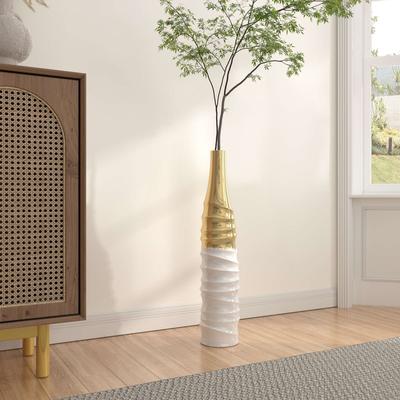
Acroma Ceramic Floor VaseThis floor vase is a great choice for your home decor. It is made of high-quality ceramic and has a wood grain design on the surface, giving off an artistic atmosphere. The thin mouth makes it more delicate and elegant.81,72 $*Shipping: 0,00 $Secure redirect to the provider
-
Which flowers for a floor vase?
When choosing flowers for a floor vase, consider using larger blooms and longer stems to create a dramatic and impactful display. Flowers like lilies, sunflowers, hydrangeas, or gladiolus work well in floor vases due to their size and visual presence. Additionally, incorporating greenery like eucalyptus or ferns can add texture and depth to the arrangement. Ultimately, choose flowers that complement the size of the vase and the overall aesthetic of the room. **
-
Which year and what price does the ceramic vase have?
The ceramic vase was made in 1885 and is priced at $2,500. **
-
Does anyone know anything about the mark on the ceramic vase?
Yes, the mark on the ceramic vase is a signature from the artist who created it. It is often used to identify the maker of the piece and can provide valuable information about its origin and age. By researching the mark, one can potentially uncover details about the artist's style, the time period in which it was made, and its value in the art market. **
-
Does anyone know anything about the bottom mark on the ceramic vase?
The bottom mark on a ceramic vase can often provide information about its origin, maker, or time period. It may include a manufacturer's mark, artist's signature, or a symbol that can be researched to determine its significance. To learn more about the specific bottom mark on the ceramic vase in question, it would be helpful to consult a collector's guide, art historian, or appraiser who specializes in ceramics. **
Similar search terms for Acroma-Ceramic-Floor-Vase
-
What is rare: a birdcage from the US Zone in Germany or an antique ceramic vase?
A birdcage from the US Zone in Germany would be considered rarer than an antique ceramic vase. The birdcage from the US Zone in Germany is likely to have historical significance and limited availability due to its specific origin and time period. On the other hand, antique ceramic vases are more common and can be found in various styles and origins, making them less rare in comparison. **
-
'Vase or glass?'
It depends on the context and purpose. A vase is typically used for holding flowers or decorative branches, while a glass is used for drinking liquids. If the question is about which one to use for a specific purpose, then the answer would depend on whether the intention is to display flowers or to serve a beverage. Both have their own unique functions and can be chosen based on the specific need at hand. **
-
Who made this vase?
This vase was made by an ancient Greek potter and artist. It is an example of Greek pottery from the 5th century BC, known for its intricate designs and skilled craftsmanship. The artist's name is not known, as pottery from this time period was typically not signed or attributed to specific individuals. However, it is likely that the vase was made in a workshop where multiple artists and potters collaborated on creating such pieces. **
-
Is the vase broken?
Yes, the vase is broken. It is in pieces and cannot be used in its original form. **
* All prices are inclusive of VAT and, if applicable, plus shipping costs. The offer information is based on the details provided by the respective shop and is updated through automated processes. Real-time updates do not occur, so deviations can occur in individual cases. ** Note: Parts of this content were created by AI.