Buy stockabbigliamento.eu ?
We are moving the project
stockabbigliamento.eu .
Are you interested in purchasing the domain
stockabbigliamento.eu ?
domain@kv-gmbh.de · 0541-91531010
Buy stockabbigliamento.eu ?
What are inventory and inventory holding costs?
Inventory refers to the goods and materials held by a business for the purpose of resale or production. Inventory holding costs, also known as carrying costs, are the expenses associated with holding and storing inventory. These costs can include expenses such as storage, insurance, obsolescence, and the opportunity cost of tying up capital in inventory. Managing inventory and minimizing inventory holding costs is important for businesses to optimize their cash flow and profitability. **
How does an increase in inventory turnover frequency affect inventory costs and inventory risk?
An increase in inventory turnover frequency typically leads to lower inventory costs as it indicates that inventory is being sold and replenished more quickly, reducing the need for excess inventory storage and associated costs. Additionally, a higher turnover frequency can help mitigate inventory risk by reducing the likelihood of inventory obsolescence or damage due to prolonged storage. Overall, a faster inventory turnover frequency can lead to improved efficiency, lower costs, and reduced inventory risk for a business. **


Similar search terms for Inventory
Top-Angebote
Products related to Inventory:
-
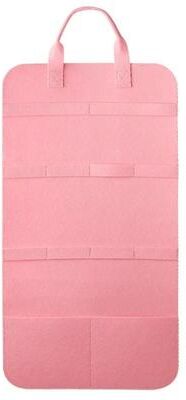
Uplifted Finds Vertical Toy Inventory Management Module pinkOptimize your pets engagement ecosystem with the Vertical ToyInventory Module, a professionalgrade organization system engineered with spatialefficiency logic. This highutility module features a multitier felt architecture specifically designed to...92,97 $*Shipping: 0,00 $Secure redirect to the provider
-
Carhartt Insite Footbeds - Mens 10 Brown Footwear Accessories*Engineered footbed with Insite Technology to align foot in the most natural position *Pulsion Rebound Foam is engineered for anti-fatigue rebound action *Tetrapod anti-fatigue technology distributes foot compression in multiple directions *Import29,99 $*Shipping: 6,95 $Secure redirect to the provider
-
Shoekeeper Men's Shoe Stretcher & Spray - M Other Footwear Accessories*Expand your shoes to the perfect fit *Shoe stretch spray softens leather *Screw-driven shoe stretcher expands leather to eliminate pinching *Metal plugs included for spot stretching *Kit includes one stretcher and one bottle of 4 oz. spray *Sizes:...43,96 $*Shipping: 6,95 $Secure redirect to the provider
-
Georgia Boot Comfort Core 5 Orthotic Footbed - M Orange Footwear Accessories*Ergonomic Arch Support in the Georgia Boot Comfort Core 5 Footbed relieves foot fatigue and provides added comfort *Air flow channels provide cool circulation *Footbed can be trimmed *M fits U.S. Men's sizes 6 to 8-1/2 and Women's sizes 8 to 10-1/2...28,00 $*Shipping: 6,95 $Secure redirect to the provider


-
What is the beginning inventory and ending inventory here?
The beginning inventory is the amount of inventory available at the start of a specific period, typically a fiscal year or accounting period. The ending inventory, on the other hand, is the amount of inventory remaining at the end of the same period. By comparing the beginning and ending inventory levels, a company can determine how much inventory was used or sold during that period. **
-
What is the meaning of periodic inventory and perpetual inventory?
Periodic inventory refers to a system where a physical count of inventory is conducted at specific intervals, such as monthly or annually, to determine the quantity on hand and the cost of goods sold. On the other hand, perpetual inventory is a system that continuously tracks inventory levels in real-time using technology such as barcode scanners and RFID tags. This system provides up-to-date information on inventory levels, cost of goods sold, and helps in managing stock levels efficiently. **
-
What is the difference between inventory increase and inventory decrease?
Inventory increase refers to the situation where the amount of goods or materials in stock has grown, either due to new purchases, production, or other factors. This can be a positive sign of business growth, but it can also tie up capital and increase storage costs. On the other hand, inventory decrease occurs when the amount of goods or materials in stock has decreased, either due to sales, usage, or other factors. This can be a sign of strong demand and efficient operations, but it can also lead to stockouts and lost sales if not managed properly. Both inventory increase and decrease are important to monitor and manage in order to maintain a healthy balance and meet customer demand. **
-
Does the inventory in accounting not match the target inventory?
If the inventory in accounting does not match the target inventory, it could indicate potential issues such as theft, errors in recording transactions, or discrepancies in the physical counting of inventory. It is important to investigate the root cause of the discrepancy and take corrective actions to reconcile the inventory. This may involve conducting a physical inventory count, reviewing transaction records, and implementing better inventory management practices to prevent future discrepancies. Regular monitoring and reconciliation of inventory can help ensure accurate accounting records and prevent potential losses. **


Does a high inventory level negatively impact profit during the inventory?
A high inventory level can negatively impact profit during the inventory period. This is because holding excess inventory ties up capital that could be used for other investments or operational expenses. Additionally, high inventory levels can lead to increased storage and carrying costs, as well as the risk of obsolescence or spoilage. It can also result in markdowns or discounts to move excess inventory, which can impact profit margins. Therefore, it is important for businesses to carefully manage their inventory levels to optimize profitability. **
What is inventory 3?
Inventory 3 is the third level of inventory within a company's accounting system. It represents the goods and materials that are in the process of being manufactured or assembled into finished products. Inventory 3 typically includes items that are partially completed and are still undergoing production. This level of inventory is important for tracking the progress of production and determining the value of work in progress. **
Top-Angebote
Products related to Inventory:
-
Uplifted Finds Epidermal Sanitization Inventory (3 Pack Hub) Epidermal Sanitization Inventory (3 Pack Hub)Optimize your pets dermatological hygiene and ocular clarity with the Epidermal Sanitization Inventory, a professionalgrade maintenance system engineered with aqueouscleansing logic. This highutility 240unit logistics package features a specialized...111,97 $*Shipping: 0,00 $Secure redirect to the provider
-
Uplifted Finds Avian Mimic Enrichment Inventory (9 Unit Hub) Avian Mimic Enrichment Inventory (9 Unit Hub)Optimize your pet's physical agility and predatory tracking with the AvianMimic Enrichment Inventory, a professionalgrade interactive system engineered with highfrequency kinetic logic. This highutility 9piece replacement hub features a specialized...40,97 $*Shipping: 0,00 $Secure redirect to the provider
-
Uplifted Finds Vertical Toy Inventory Management Module pinkOptimize your pets engagement ecosystem with the Vertical ToyInventory Module, a professionalgrade organization system engineered with spatialefficiency logic. This highutility module features a multitier felt architecture specifically designed to...92,97 $*Shipping: 0,00 $Secure redirect to the provider
-
Carhartt Insite Footbeds - Mens 10 Brown Footwear Accessories*Engineered footbed with Insite Technology to align foot in the most natural position *Pulsion Rebound Foam is engineered for anti-fatigue rebound action *Tetrapod anti-fatigue technology distributes foot compression in multiple directions *Import29,99 $*Shipping: 6,95 $Secure redirect to the provider
-
What are inventory and inventory holding costs?
Inventory refers to the goods and materials held by a business for the purpose of resale or production. Inventory holding costs, also known as carrying costs, are the expenses associated with holding and storing inventory. These costs can include expenses such as storage, insurance, obsolescence, and the opportunity cost of tying up capital in inventory. Managing inventory and minimizing inventory holding costs is important for businesses to optimize their cash flow and profitability. **
-
How does an increase in inventory turnover frequency affect inventory costs and inventory risk?
An increase in inventory turnover frequency typically leads to lower inventory costs as it indicates that inventory is being sold and replenished more quickly, reducing the need for excess inventory storage and associated costs. Additionally, a higher turnover frequency can help mitigate inventory risk by reducing the likelihood of inventory obsolescence or damage due to prolonged storage. Overall, a faster inventory turnover frequency can lead to improved efficiency, lower costs, and reduced inventory risk for a business. **
-
What is the beginning inventory and ending inventory here?
The beginning inventory is the amount of inventory available at the start of a specific period, typically a fiscal year or accounting period. The ending inventory, on the other hand, is the amount of inventory remaining at the end of the same period. By comparing the beginning and ending inventory levels, a company can determine how much inventory was used or sold during that period. **
-
What is the meaning of periodic inventory and perpetual inventory?
Periodic inventory refers to a system where a physical count of inventory is conducted at specific intervals, such as monthly or annually, to determine the quantity on hand and the cost of goods sold. On the other hand, perpetual inventory is a system that continuously tracks inventory levels in real-time using technology such as barcode scanners and RFID tags. This system provides up-to-date information on inventory levels, cost of goods sold, and helps in managing stock levels efficiently. **
Similar search terms for Inventory
-
Shoekeeper Men's Shoe Stretcher & Spray - M Other Footwear Accessories*Expand your shoes to the perfect fit *Shoe stretch spray softens leather *Screw-driven shoe stretcher expands leather to eliminate pinching *Metal plugs included for spot stretching *Kit includes one stretcher and one bottle of 4 oz. spray *Sizes:...43,96 $*Shipping: 6,95 $Secure redirect to the provider
-
Georgia Boot Comfort Core 5 Orthotic Footbed - M Orange Footwear Accessories*Ergonomic Arch Support in the Georgia Boot Comfort Core 5 Footbed relieves foot fatigue and provides added comfort *Air flow channels provide cool circulation *Footbed can be trimmed *M fits U.S. Men's sizes 6 to 8-1/2 and Women's sizes 8 to 10-1/2...28,00 $*Shipping: 6,95 $Secure redirect to the provider
-
Uplifted Finds Vertical Toy Inventory Management Module greenOptimize your pets engagement ecosystem with the Vertical ToyInventory Module, a professionalgrade organization system engineered with spatialefficiency logic. This highutility module features a multitier felt architecture specifically designed to...92,97 $*Shipping: 0,00 $Secure redirect to the provider
-
Uplifted Finds Vertical Toy Inventory Management Module yellowOptimize your pets engagement ecosystem with the Vertical ToyInventory Module, a professionalgrade organization system engineered with spatialefficiency logic. This highutility module features a multitier felt architecture specifically designed to...92,97 $*Shipping: 0,00 $Secure redirect to the provider
-
What is the difference between inventory increase and inventory decrease?
Inventory increase refers to the situation where the amount of goods or materials in stock has grown, either due to new purchases, production, or other factors. This can be a positive sign of business growth, but it can also tie up capital and increase storage costs. On the other hand, inventory decrease occurs when the amount of goods or materials in stock has decreased, either due to sales, usage, or other factors. This can be a sign of strong demand and efficient operations, but it can also lead to stockouts and lost sales if not managed properly. Both inventory increase and decrease are important to monitor and manage in order to maintain a healthy balance and meet customer demand. **
-
Does the inventory in accounting not match the target inventory?
If the inventory in accounting does not match the target inventory, it could indicate potential issues such as theft, errors in recording transactions, or discrepancies in the physical counting of inventory. It is important to investigate the root cause of the discrepancy and take corrective actions to reconcile the inventory. This may involve conducting a physical inventory count, reviewing transaction records, and implementing better inventory management practices to prevent future discrepancies. Regular monitoring and reconciliation of inventory can help ensure accurate accounting records and prevent potential losses. **
-
Does a high inventory level negatively impact profit during the inventory?
A high inventory level can negatively impact profit during the inventory period. This is because holding excess inventory ties up capital that could be used for other investments or operational expenses. Additionally, high inventory levels can lead to increased storage and carrying costs, as well as the risk of obsolescence or spoilage. It can also result in markdowns or discounts to move excess inventory, which can impact profit margins. Therefore, it is important for businesses to carefully manage their inventory levels to optimize profitability. **
-
What is inventory 3?
Inventory 3 is the third level of inventory within a company's accounting system. It represents the goods and materials that are in the process of being manufactured or assembled into finished products. Inventory 3 typically includes items that are partially completed and are still undergoing production. This level of inventory is important for tracking the progress of production and determining the value of work in progress. **
* All prices are inclusive of VAT and, if applicable, plus shipping costs. The offer information is based on the details provided by the respective shop and is updated through automated processes. Real-time updates do not occur, so deviations can occur in individual cases. ** Note: Parts of this content were created by AI.